
Published October 22, 2024
Understanding Home Insurance Closing Costs

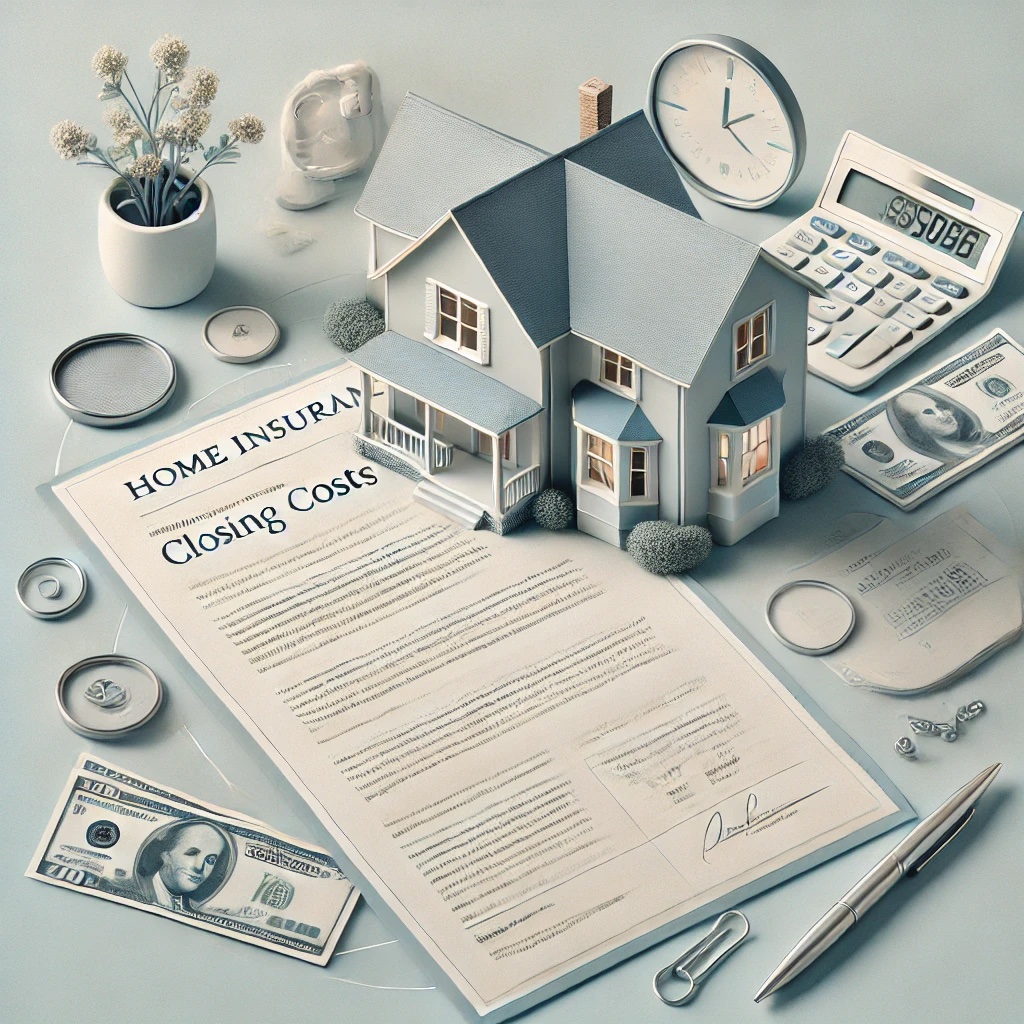
How Choosing the Wrong Plan Could Cost You More When Buying a Home
When you’re in the process of buying a home, there are many expenses to consider and one of the most important—but often overlooked—costs is home insurance. As part of your closing costs, home insurance protects your investment, but selecting the wrong insurance plan can lead to unexpected financial strain.
When purchasing a home, one of a Buyers Closing costs is going to be Hazard Insurance. So, what does Hazard Insurance Cover? And what is the difference between Hazard Insurance and Home Insurance?
What Hazard Insurance Covers:
Hazard insurance typically covers damage to the physical structure of the home caused by natural disasters or certain perils such as:
- Fire
- Hail
- Windstorms
- Lightning
- Vandalism
- Explosions
This insurance generally only covers the actual structure of the house (sometimes referred to as “dwelling coverage”), not personal belongings or liability. For personal belongings, broader homeowners' insurance policies include additional types of coverage.
Why It's Required:
When buying a home with a mortgage, lenders want to ensure that their investment (the house) is protected in case of damage. This is why hazard insurance is mandatory. If the home is destroyed or damaged by a covered event, the insurance will pay for repairs or rebuilding, protecting both the homeowner and the lender.
Hazard Insurance vs. Homeowners' Insurance:
- Hazard insurance is often considered part of a broader homeowners' insurance policy. Homeowners' insurance typically includes hazard insurance plus coverage for personal belongings, liability, and additional living expenses in case the home becomes uninhabitable.
- While people often refer to the entire policy as homeowners' insurance, hazard insurance refers specifically to the part that covers the physical structure against hazards or perils.
What Are Home Insurance Closing Costs?
When you close on a home, a number of fees are bundled into your final payment, known as closing costs. These fees include things like loan origination fees, property taxes, and, most importantly, homeowners insurance.
Home insurance closing costs typically include the first year’s premium for your home insurance policy. Your lender will require proof of insurance before the loan is finalized to protect their investment in the property. This insurance policy must be in place on the day of closing, and you’ll need to pay for it upfront as part of your closing costs.
How the Wrong Insurance Plan Can Cost You
It’s tempting to go with the first or cheapest insurance option you find to minimize immediate costs, but this could hurt you financially in the long term. Here are some common ways that choosing the wrong home insurance plan could end up costing you more:
1. Insufficient Coverage
Not all home insurance policies offer the same level of coverage. Opting for a basic or cheaper plan might mean you're underinsured. If your home experiences damage from natural disasters, fires, or other unforeseen events, insufficient coverage could leave you paying out of pocket for repairs. Always review your policy carefully to ensure it covers common risks in your area, such as floods, earthquakes, or hurricanes.
2. Higher Deductibles
Some homeowners choose plans with high deductibles to lower their annual premiums. While this may seem like a smart way to reduce your monthly expenses, it could backfire. If you need to make a claim, a high deductible could mean shelling out a large amount of cash before the insurance kicks in—potentially wiping out your savings.
3. Uncovered Risks
Every area has its own unique risks—whether it's the threat of flooding, wildfires, or heavy snowfall. If your policy doesn’t cover these specific risks, you might end up paying for costly damage repairs on your own. For example, standard home insurance often doesn’t cover flood damage, and homeowners may need to purchase additional flood insurance.
4. Not Bundling Your Policies
If you’re purchasing both home and auto insurance, you could save money by bundling the policies with the same insurance provider. Failing to do so means missing out on potential discounts that can significantly lower your overall premiums.
5. Ignoring Inflation Guard
Home insurance plans typically offer an “inflation guard,” which increases your coverage limit annually to keep up with the rising costs of construction materials and labor. If your policy lacks this feature, you may not have enough coverage in the event you need to rebuild your home. Over time, this could leave you vulnerable to unexpected expenses during a claim.
How to Choose the Right Home Insurance Plan
To avoid these pitfalls, it’s essential to do your homework when selecting a home insurance plan. Here are a few tips to ensure you make the best choice:
1. Compare Multiple Quotes
Don’t settle for the first insurance policy you’re offered. Get quotes from multiple providers to compare coverage options and premiums. This ensures you get the best deal without sacrificing essential coverage.
2. Understand Your Coverage Needs
Every home is different, and your insurance needs may vary depending on your home’s age, size, and location. Make sure to work with an insurance provider who understands the unique risks associated with your property and offers coverage that meets those needs.
3. Ask About Discounts
Many insurers offer discounts for things like bundling home and auto policies, installing home security systems, or having a claims-free history. Don’t hesitate to ask about all available discounts when shopping for insurance.
4. Review Your Policy Annually
Even after you’ve chosen the right policy, it’s important to review it annually. As your home and circumstances change, so too might your insurance needs. Regularly updating your policy ensures you remain adequately covered and aren’t overpaying for unnecessary features.
Final Thoughts: The Impact on Your Mortgage
Selecting the right home insurance plan affects more than just your peace of mind; it also influences your mortgage. Lenders often bundle home insurance premiums into your monthly mortgage payments through an escrow account. This means that choosing an expensive or insufficient policy can result in higher monthly payments or increased out-of-pocket costs.
By choosing a home insurance policy that offers comprehensive coverage at an affordable rate, you protect both your home and your financial future. When you're prepared with the right insurance plan, you avoid potential headaches and expenses down the line.
Get a Free Quote Before Closing
Before you reach the closing table, be sure to get a free home insurance quote from a provider who can check multiple companies. By taking the time to select the right policy, you can avoid common pitfalls, keep your costs low, and ensure you’re protected in the event of unexpected damage.
If you are looking to save money and have the right coverage on your home, click on the link below and answer just a few questions to get started...
https://mycommaquote.com/

Tara Levinson
Rain Maker- Team Leader | Levinson Real Estate Team
or another way