
Published April 10, 2024
Buying New Construction vs. Existing Homes

Written by Tara Levinson
ChatGPT
Exploring the Pros and Cons: Buying New Construction vs. Existing Homes
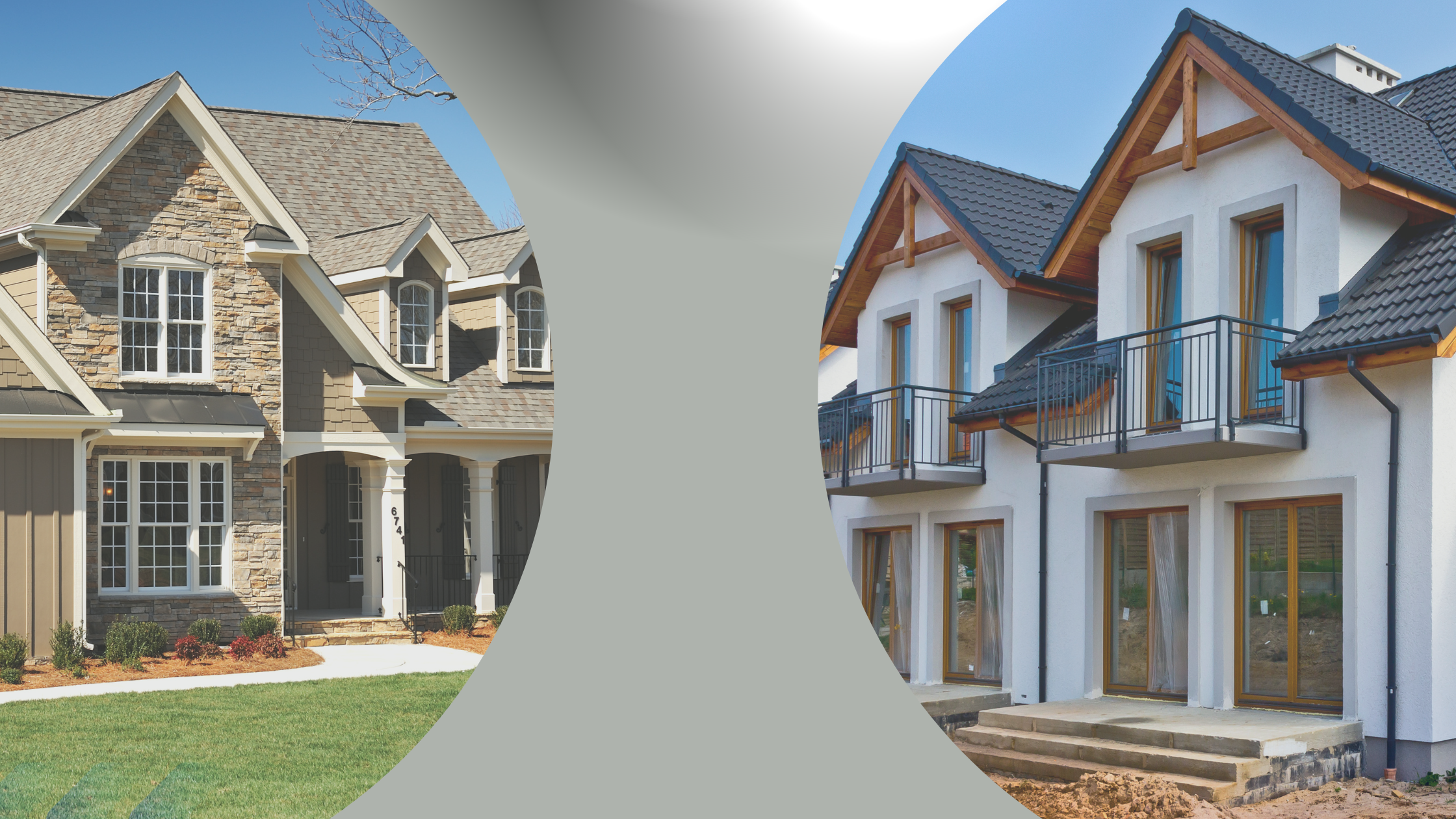
As a real estate agent with years of experience, I've helped numerous clients navigate the exciting journey of finding their dream home. One of the most common questions I receive is whether to buy a new construction property or an existing home. Both options have their unique advantages and drawbacks, and understanding these differences is crucial for making an informed decision. In this blog post, we'll delve into the key factors that differentiate buying new construction from purchasing an existing home.
Quality and Customization
New Construction: One of the primary benefits of buying new construction is the ability to customize the home to suit your preferences. From choosing the floor plan and layout to selecting fixtures, finishes, and appliances, you have the opportunity to create a space that truly reflects your style and needs. Additionally, new homes often come with modern features and technologies, such as energy-efficient appliances, smart home systems, and advanced insulation, which can lead to long-term savings and comfort.
Existing Homes: On the other hand, existing homes may offer a unique charm and character that is not always present in new construction properties. From historic architecture to mature landscaping, these homes can appeal to buyers seeking a sense of nostalgia or a connection to a particular neighborhood. While customization options may be more limited compared to new builds, renovations and upgrades can still be made to personalize the space.
Cost Considerations
New Construction: The cost of a new construction home can vary significantly depending on factors such as location, size, upgrades, and builder reputation. While new builds may come with a higher upfront price tag, they often require less immediate maintenance and repairs, resulting in lower ongoing costs in the initial years of ownership. Additionally, some builders may offer incentives or warranties that provide added value and peace of mind for buyers.
Existing Homes: Existing homes may be more budget-friendly upfront, especially if they require renovations or updates. However, it's essential to consider potential maintenance and repair costs, especially for older properties. Inspections are crucial when purchasing an existing home to identify any issues that may need attention, such as plumbing, electrical, or structural concerns. Factor in these costs when comparing the overall affordability of new construction versus an existing home.
Timeline and Move-In Ready
New Construction: Buying a new construction home typically involves a longer timeline compared to purchasing an existing home. Construction delays, weather conditions, and other factors can affect the completion date, so buyers should be prepared for potential wait times before moving in. However, once the home is ready, it's often move-in ready with brand-new appliances and finishes, requiring minimal immediate work.
Existing Homes: Existing homes are usually ready for occupancy shortly after the closing process is complete, making them a suitable option for buyers who need to move quickly or prefer not to wait for construction to finish. However, keep in mind that renovations or updates may be necessary depending on the condition of the property and your preferences. Factor in the time and cost of these projects when evaluating the overall timeline.
Resale Value and Appreciation
New Construction: New construction homes may experience initial flat appreciation shortly after purchase, especially if the market is saturated with similar properties. However, over time, well-maintained new builds can appreciate in value, particularly in desirable locations with strong market demand. Pay attention to the neighborhood's growth potential, amenities, and local market trends when assessing long-term appreciation potential.
Existing Homes: Existing homes may already have established resale value depending on factors such as location, school districts, and neighborhood amenities. Renovations and upgrades can further enhance the property's value, but it's essential to consider the current market conditions and comparable sales when determining a realistic resale value projection.
To Sum It All Up
Ultimately, the decision between buying new construction or an existing home depends on your priorities, budget, timeline, and personal preferences. New construction offers customization options, modern features, and potential long-term savings, while existing homes provide charm, immediate occupancy, and established resale value. As your real estate agent, I'm here to guide you through the process, answer your questions, and help you make an informed choice that aligns with your goals. Happy house hunting!

or another way
Request property marketing plan
You're one step away from getting a free marketing plan that shows how we'll sell your home for the most amount of money in the least amount of time - hassle free.